

The credential, plainly explained
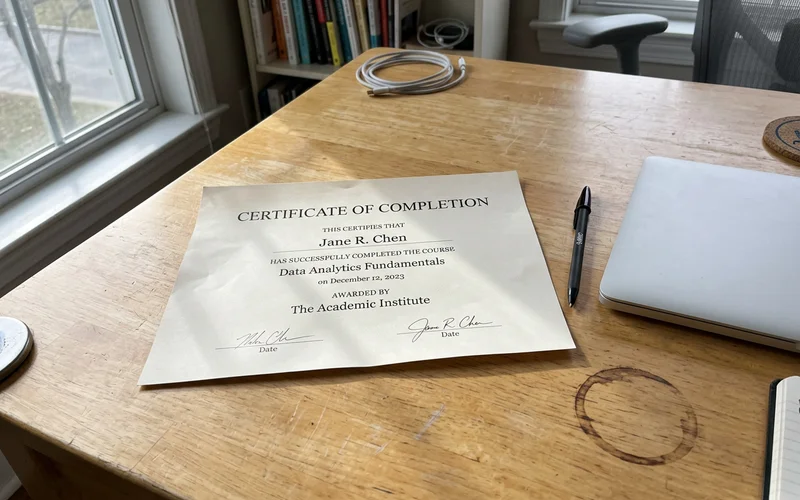
A bio-recovery technician is the person who cleans and decontaminates a scene after a death, a trauma, or serious biological contamination. Certification is the training credential that says they know how to do it without harming themselves, the property, or anyone downstream of the waste they generate.
If you are considering entering this field, Bio-Recovery Technician Training is where that begins, and this guide explains what the credential actually covers and why the standards behind it matter.
It is worth saying at the outset that this is a trade, not a cleaning speciality. The closest comparison is asbestos or lead abatement: a regulated activity with defined protocols, mandatory protective equipment, and a legal waste chain.
What the credential covers
Certification spans five areas.
Pathogen knowledge. Which bloodborne pathogens transmit how, how long they survive on surfaces, and what that means for the sequence of work. Hepatitis B surviving up to seven days on a dried surface is not trivia, it is the reason you treat an old scene like a fresh one.
Exposure control. The OSHA Bloodborne Pathogens Standard requires a written exposure control plan, engineering controls, work practice controls, and a post-exposure procedure. A technician needs to know their own plan well enough to follow it under pressure.
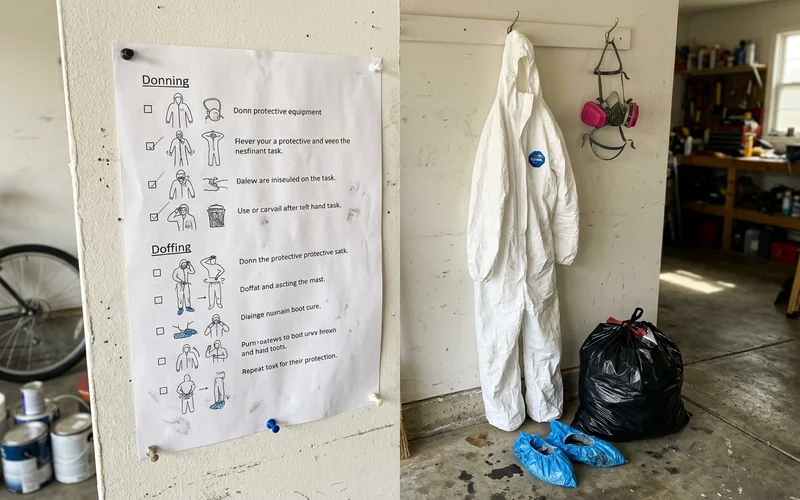
Personal protective equipment. Level B and Level C ensembles, respirator selection and fit testing, and above all the donning and doffing sequence. Most cross-contamination in this trade happens on the way out of the suit, not on the way in.
Remediation procedure. Scene assessment, containment, negative air, porous versus non-porous decontamination, EPA-registered disinfectant selection and contact time, subfloor treatment, and verification with ATP testing.
Waste handling. Regulated Medical Waste classification, red bag and DOT-approved container handling, manifesting, chain of custody, and transport requirements.
The standards behind it
| Standard | What it governs |
|---|---|
| OSHA 29 CFR 1910.1030 | Bloodborne pathogens: exposure control, PPE, training, post-exposure |
| OSHA 29 CFR 1910.120 (HAZWOPER) | Hazardous operations: hazard recognition, monitoring, decontamination |
| OSHA 29 CFR 1910.134 | Respiratory protection: selection, fit testing, maintenance |
| EPA registration requirements | Which disinfectants are rated against which pathogens |
| DOT and state waste rules | Transport and disposal of Regulated Medical Waste |
These are not academic references. They are the specific documents an insurer, an employer, or a regulator will ask about, and a technician who cannot speak to them is at a disadvantage in every one of those conversations.
Certification is a floor, not a ceiling
It qualifies you to work safely and legally. Competence on a difficult scene comes from doing the work alongside people who are good at it, which is why the best operators keep learning long after the certificate is printed.
Who actually needs it
Anyone entering the field. Employers in this industry expect it, and the ones who do not are usually the ones you should not work for.
Existing cleaning and restoration operators who keep declining biohazard calls. Those jobs are profitable, consistently in demand, and there are far fewer qualified companies than the demand supports.
People starting their own company. Insurers ask. Property managers ask. Funeral homes and referral sources ask. Without it, the door does not open.
Property managers and facilities staff who want to understand what they are buying and evaluate contractors properly, even if they never perform the work themselves.
What certification does not do
It does not make you licensed, because licensing varies by state and is a separate question. It does not guarantee employment. And it does not, by itself, tell you how to run a business, which is the gap that leaves a lot of newly certified people stuck.
That last one is why our own course includes a full module on licensing, insurance, equipment, pricing, and finding clients. Technical competence without a business foundation produces certified people who never start, and we saw enough of that to fix it.
For the full module breakdown of what the course covers and how it is delivered, our guide on what the online crime scene cleanup course covers walks through the curriculum in detail.