
We are not a neutral party, so here is the honest version
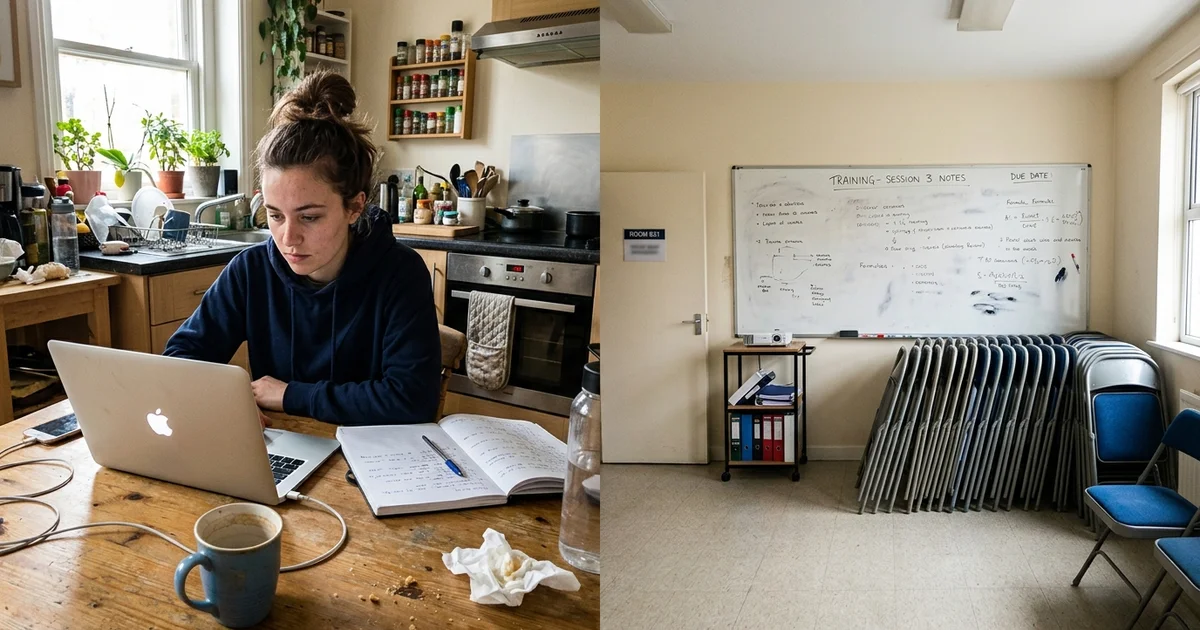
We ran a five-day in-person academy for years and we were proud of it. We retired it deliberately and moved the whole curriculum online.
That makes us biased, so this guide includes the things in-person does better rather than pretending it does not. If you are comparing Bio-Recovery Technician Training against a classroom program somewhere else, you should have both sides.
The cost comparison people actually face
Tuition is the number everyone compares and it is the smallest part of the difference.
| Cost | Online | Five-day in-person |
|---|---|---|
| Tuition | $199 | Typically several times that |
| Travel | None | Flights or long drive |
| Accommodation | None | Four to five nights |
| Meals | None | Five days |
| Lost income | None, study around work | Five unpaid days |
| Total realistic cost | Under $200 | Frequently several thousand |
That gap is the whole reason we changed. Not because the classroom was bad, but because it was filtering for people who already had capital rather than people who would be good at this.

What in-person genuinely does better
Three things, and we will not pretend otherwise.
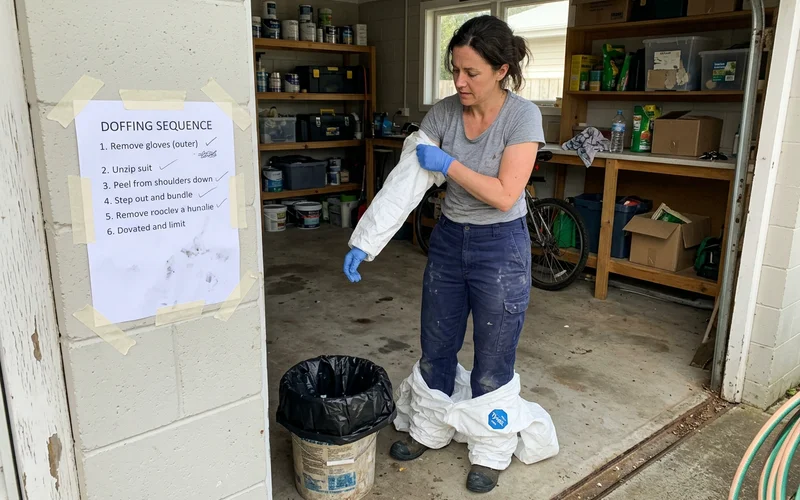
Supervised PPE practice. Donning and doffing with an instructor watching and correcting is better than any video. Most cross-contamination in this trade happens on the way out of the suit, and having someone catch your mistake in a classroom is worth something real.
Equipment familiarity. Handling an air scrubber, a fogger, or a 4-gas monitor physically builds a kind of confidence that reading cannot.
Peer cohort. Five days in a room with other people entering this industry builds a network. Several of our early graduates still refer work to each other a decade later.
Those are real advantages and we do not dismiss them.
What online does better
Access. This is the big one. People who could never take a week off and fly to Ohio can now do the training. Night shift workers, parents, people in rural markets, people with no savings buffer. That is a materially larger and more diverse pool of technicians entering the field, and the industry is better for it.
Pace. Complex material can be reviewed as many times as you need. In a classroom the lecture moves on whether you have it or not. Bloodborne pathogen survival times and RMW manifesting rules genuinely benefit from a second pass.
Retention. Spaced learning over weeks retains better than five consecutive days of information. The five-day intensive format produces a real sense of having learned a lot and a measurable drop-off afterwards.
Reference. The material stays available. Six months into running your own company, when you hit your first ammonia situation, you can go back to the HAZWOPER module. A classroom is gone once you leave it.
What changed and what did not
Delivery changed. The curriculum did not. Seven modules, the same standards, the same assessments, the same instructor.
How we closed the hands-on gap
Honestly, we did not close it entirely. We narrowed it.
The PPE module was substantially expanded with detailed sequence breakdowns and printable checklists designed to be drilled against physically at home with your own equipment. The assessments are scenario-based rather than recall-based, mirroring decisions made on a scene.
And we are explicit with students that the first few jobs alongside an experienced technician are where competence actually forms. That was true of the classroom graduates too. Nobody finished five days in a room and was ready to run a scene alone.
Who should choose which
Choose online if you are working while you train, you are in a market far from a training provider, you want to review material at your own pace, or the all-in cost of a classroom program is what is stopping you.
Choose in-person if you learn best with physical supervision, you have the capital and the free week, and there is a reputable program near you. Genuinely, if that fits your circumstances, it is a good option.
Choose either, then get on a crew. Both routes produce a credential. Neither produces experience. The technicians who become good at this are the ones who work alongside someone better than them for the first year, regardless of where the certificate came from.
What is in ours
Seven modules covering Bloodborne Pathogens, HAZWOPER fundamentals, PPE, crime scene and trauma remediation, hoarding and gross filth, Regulated Medical Waste, and a full module on starting your own business. Self-paced with no cohort and no expiry. Certificate on completion at no extra cost. $199, frequently discounted further.
For a module-by-module breakdown of what each section covers, see our guide on what the online crime scene cleanup course covers.