
When there is no insurance, this is the next door to knock on
Not every family facing a trauma scene has a homeowner’s policy that responds. Sometimes there is no policy at all. Sometimes the property was a rental and the tenant’s family is left holding a cost nobody planned for. Sometimes the deductible alone is more than the household can absorb this month.
The Ohio Attorney General’s office administers the Crime Victims Compensation Program, and crime scene cleanup is among the expenses it can reimburse for eligible claims. It is not widely known, which is why families who need it most frequently never hear about it.
If you are dealing with a scene right now, the work itself is Crime Scene & Biohazard Cleanup, and the funding question can be worked in parallel rather than resolved first.
Start the paperwork early
Compensation programs have filing deadlines tied to the date of the crime. Beginning an application while you gather documents is better than waiting until everything is assembled.
What the program is for
Crime victim compensation exists to help people absorb the financial consequences of violent crime when no other source covers them. It is not a lawsuit, it does not require you to identify or pursue anyone, and it does not depend on a conviction.
Typical expense categories include medical costs, counselling, funeral and burial expenses, lost wages, and crime scene cleanup. The specific limits, categories, and application requirements are set by the program and are published by the Ohio Attorney General’s office, which is the authoritative source and the place to confirm current details.
Who is generally eligible
Eligibility rules are specific, but the broad shape is consistent:
| Requirement | What it usually means |
|---|---|
| Qualifying crime | A violent crime against a person, not a property offence |
| Reported to law enforcement | A police report exists and can be referenced |
| Cooperation | The victim or claimant cooperated with the investigation |
| Standing | The victim, or where the victim died, immediate family or the person who paid |
| Timeliness | Filed within the program’s deadline from the date of the crime |
| Other sources first | The program considers what insurance or other sources already paid |
That last row matters. The program is generally a payer of last resort, which means it looks at what insurance covered before determining what it can reimburse. Having a policy does not automatically disqualify you, particularly where you paid a deductible out of pocket.

What documentation you will need
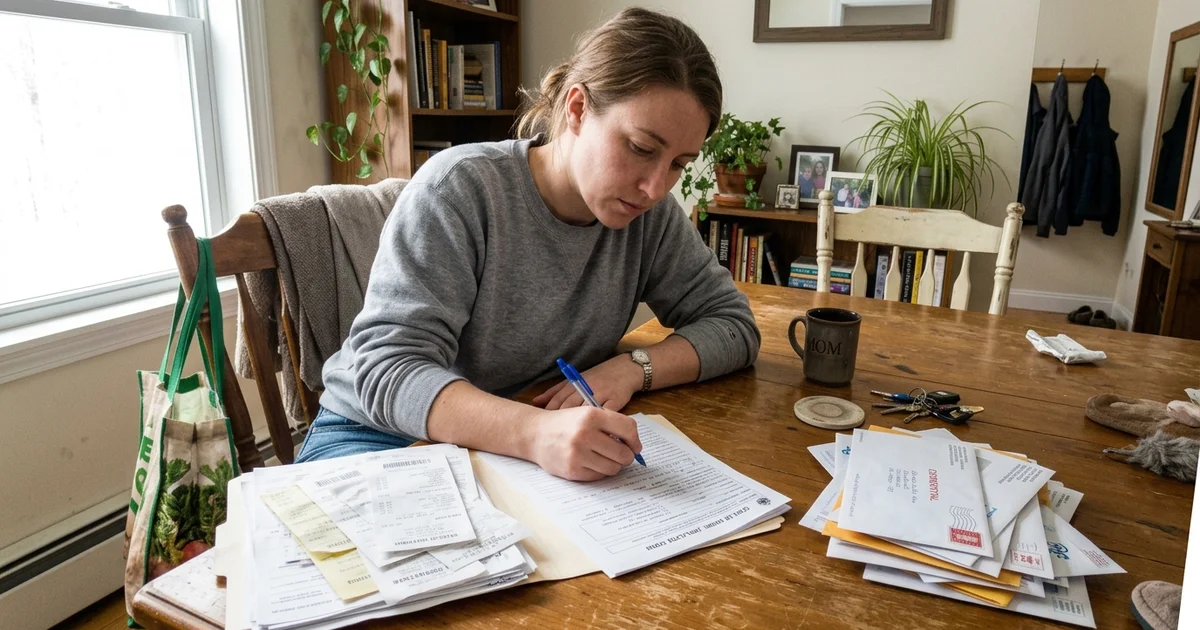
The difference between a claim that moves and one that stalls is almost always documentation. Start a folder on day one, even if you have not decided whether to apply.
- The police report number and the name of the responding agency
- The death certificate, where the victim died
- Itemized invoices for the cleanup work, with scope broken out line by line
- Proof of payment, showing who actually paid
- Any insurance determination, including a denial letter or an explanation of benefits
- Photographs documenting the condition before remediation
Itemized is the operative word on invoices. A single line reading “cleanup services” gives a reviewer nothing to assess. An itemized scope showing containment, material removal, Regulated Medical Waste disposal, disinfection, subfloor treatment, and verification testing does.
This is one of the practical reasons we itemize every estimate and deliver full documentation through the Client Portal. It is built for insurance adjusters, and it works equally well for a compensation application.
How to apply
Applications are made to the Ohio Attorney General’s Crime Victims Services section. Forms and current instructions are published on the Attorney General’s website, which is where you should confirm deadlines, limits, and eligibility rather than relying on any third-party summary including this one.
The practical sequence:
- Get the police report number from the responding agency.
- Download the current application form from the Attorney General’s site.
- Complete it with as much detail as you have, and submit rather than waiting for perfection.
- Send supporting documentation as it becomes available, referencing your claim number.
- Follow up if you have not heard anything within the stated processing window.
If a victim advocate has been assigned to your case, they can help with the application. Advocates are attached to many county prosecutor’s offices and their help is free.

What we can do to help
We cannot file the application for you and we cannot promise an outcome. What we can do is make sure the cleanup side of your file is complete: an itemized written estimate before the work, a final invoice matching that scope, waste disposal documentation, verification results, and before and after photographs, all in one place.
We can also talk through the cost question honestly before you commit. If you have a policy, our guide on whether insurance covers crime scene cleanup in Ohio covers how to file and what to ask your adjuster. If you do not, tell us. There are almost always more options than the first phone call suggests, and nobody should be walking away from a property that needs remediation because they assumed the answer was no.