
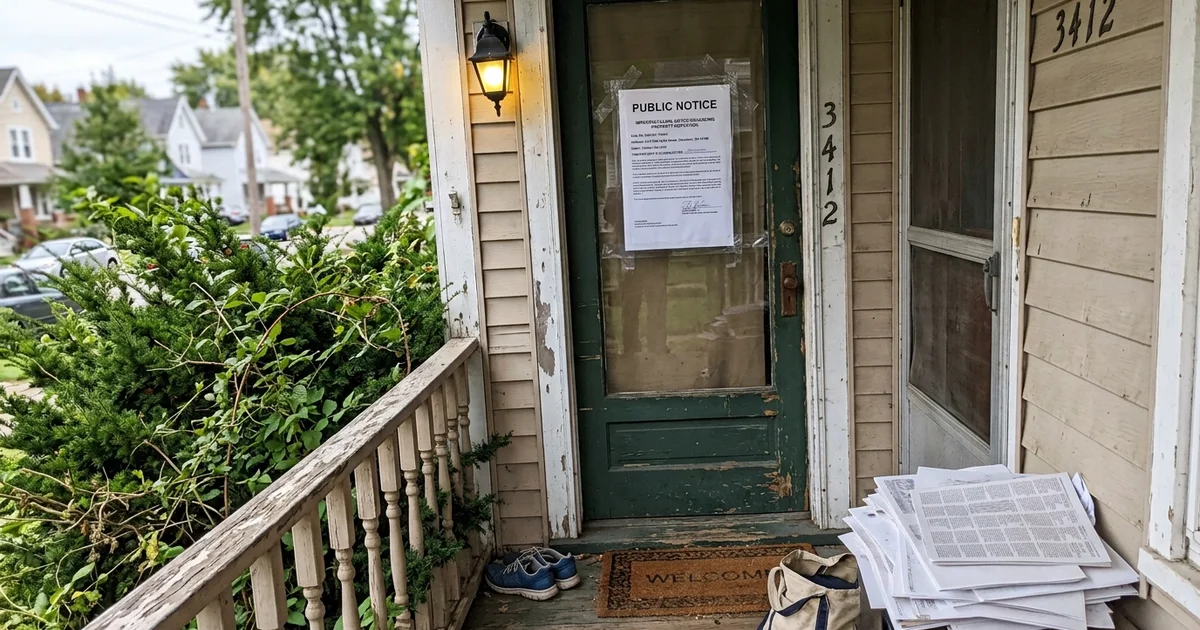
First, read the document properly
A notice taped to a door is frightening, and the instinct is to put it on the counter and deal with it tomorrow. Do not.
Find four things on it and write them down:
- The issuing authority. The Cuyahoga County Board of Health, a city health department, a building or fire department, or a housing court. They are not the same and they have different processes.
- The compliance date. The actual deadline, not your impression of it.
- The specific violations cited. These define what must be fixed. Fixing things not on the list does not help you.
- The appeal or hearing window. Usually shorter than the compliance deadline.
Everything after this depends on those four facts. The remediation itself is Hoarding Cleanup work, and it can be scheduled quickly, but the sequence matters.
Deadlines are the one thing in this guide that cannot be negotiated afterwards
Call the issuing authority within a day or two even if you have no plan yet. A documented conversation is worth more than a perfect plan delivered late.
Understand what the notice actually means
Terminology varies and it causes real confusion.
A notice of violation identifies specific code failures and gives a period to correct them. This is the most common and the most recoverable.
An order to abate requires you to eliminate a specific nuisance condition by a stated date, often with the authority reserving the right to act at your expense if you do not.
A condemnation or placarding declares the structure unfit for occupancy. Occupants must leave, and re-occupancy requires inspection and clearance after the conditions are corrected.
In hoarding cases, the cited conditions are usually predictable: accumulation blocking egress, non-functioning plumbing or sanitation, pest infestation, accumulation of garbage or organic waste, fire load, and sometimes structural concern from weight or moisture.
Step two: call the issuing authority
Do this before you call a contractor.
Ask three questions. What specifically needs to change for this to be cleared. What documentation you need to provide. Whether a scheduled remediation start date affects the deadline.
Inspectors and code officers are not looking to take a house from anyone. In our experience they respond well to a property owner who calls, acknowledges the problem, and describes a plan with dates. They respond very badly to silence, because silence is what precedes the authority doing the work and billing you.
Step three: get a contractor scheduled
Health-order and condemnation work gets scheduling priority with us, because the deadline is real and fixed.
Send photographs of each room including the floors. We return an itemized written estimate quickly, with a day-by-day plan and a start date you can give to the inspector. That start date is itself useful evidence of good faith.
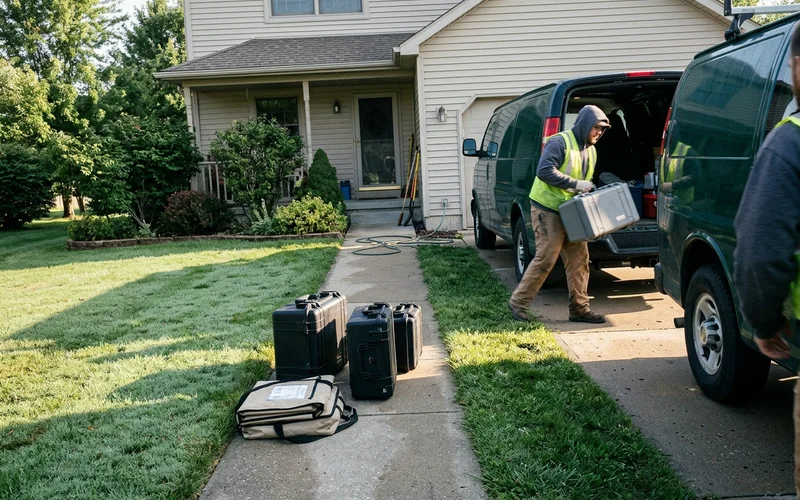
Where the deadline is very tight, we can scope the work in phases, addressing the specifically cited hazards first and the remainder afterward. Egress, sanitation, and pest conditions are almost always the priority items.
Step four: documentation is the deliverable
Clearing the property is only half of what an inspector needs. The other half is evidence.
| Documentation | Why the inspector wants it |
|---|---|
| Before photographs | Establishes the original cited condition |
| Itemized scope of work | Shows what was addressed and how |
| Disposal records | Demonstrates lawful handling of regulated material |
| Sanitization record | Evidence that sanitation violations were remediated |
| Pest remediation notes | Supports clearance where infestation was cited |
| After photographs | Demonstrates the corrected condition |
We produce all of this as standard and deliver it through the Client Portal, so you can forward one link to the inspector rather than assembling a folder.
Step five: request re-inspection
Once the work is complete, contact the issuing authority and request re-inspection. Do not assume they will come on their own, and do not assume the file closes without one.
Where a property was placarded, clearance is what permits re-occupancy. That is worth chasing rather than waiting for.

If the property owner is not the person living there
This comes up constantly in Cuyahoga County, usually where an adult child holds power of attorney for a parent, or where a landlord has received a notice about a tenant’s unit.
Two things matter here. Legally, confirm who has authority to permit the work, because we need that before a crew enters. Practically, remember that a person living in a hoarded home under a condemnation order is in acute distress, and that a forced cleanout under deadline pressure is the most damaging version of an already difficult event.
Where there is any room at all, keep the person informed, give them whatever control over kept items is possible, and consider involving a mental health professional in parallel. The Hoarding Connection of Cuyahoga County is a useful local starting point.
A house cleared under an order that then refills within a year has not solved anything. We would rather help you get to an outcome that holds.
For a full walkthrough of what the remediation days themselves involve, our guide on the hoarding cleanup process covers the sequence from assessment through sanitization.