Fall 2026 Rental Turnover: Getting Northeast Ohio Units Move-In Ready
As leases turn over this fall across Cuyahoga and Lake Counties, here's how landlords tackle lingering pet, smoke, and gross-filth odor before winter move-ins.
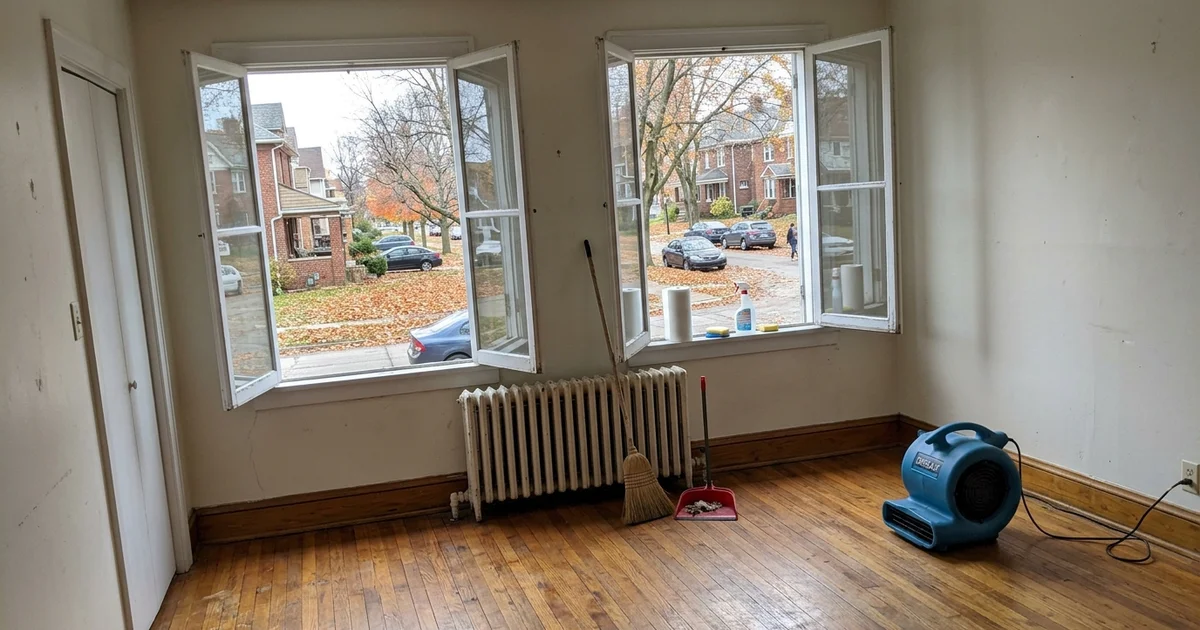
September through November is the busiest turnover window we see all year in Northeast Ohio, and it comes with a deadline that does not move: winter.
Once the heat goes on and the windows stay shut, any odor still in a unit stops being a background issue and becomes the reason a tenant breaks a lease in February. Every year we get January calls that would have been half the cost and a quarter of the hassle in October. This post is an attempt to get ahead of a few of those.
Why odor problems look solved in October and reappear in January
Odor molecules bind into porous material. Carpet padding, plywood or plank subfloor, drywall, and sometimes insulation. Those materials release trapped molecules at a rate that rises with temperature and humidity.
In a Northeast Ohio autumn, with windows open and mild air moving through a vacant unit, a partially remediated odor genuinely seems gone. Then the furnace runs for six weeks in a sealed apartment, the material warms, and the source releases again into air that has nowhere to go.
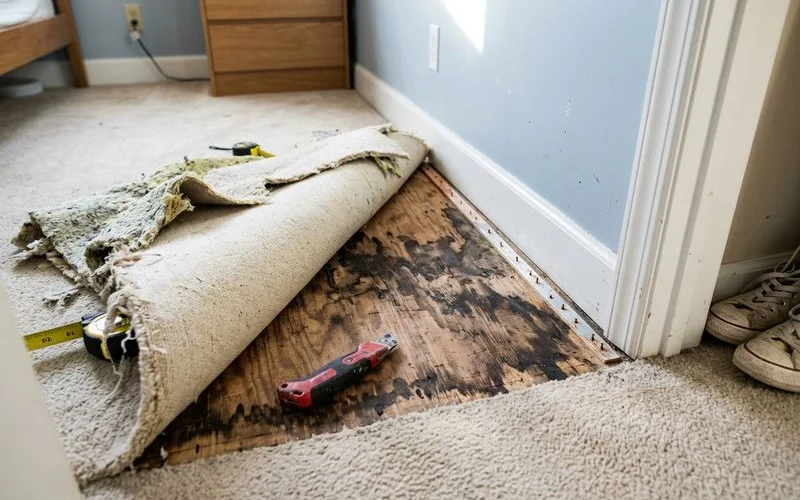
This is why the standard turnover sequence of shampoo the carpet, paint the walls, and run an air freshener fails on the units where it matters. None of those three steps touch the substrate, and the substrate is where the problem lives.
The three turnover odor sources we see most
Pet urine. By far the most common, and the most consistently underestimated. Urine passes through carpet into padding and then into the subfloor, where it crystallizes. Cleaning the carpet removes the visible stain and none of the source. Our guide to cat urine and pet feces cleanup covers what that crystallization means for treatment. In units with multiple animals, ammonia concentration can also be high enough that we check the air before anyone goes in, which pushes the job into animal hoarding and feces remediation territory.
Cigarette smoke. Long tenancies bind tar and odor compounds into drywall, trim, and HVAC ductwork. Painting over it without sealing first traps nothing, and the odor comes through the new coat within a few weeks. Smoke turnovers usually need surface cleaning, a sealing primer, HVAC assessment, and then air treatment.
Gross filth and abandoned contents. Units left with spoiled food, waste, or pest activity after an eviction or an unattended death need actual remediation rather than cleaning. That is a different scope, and trying to handle it with a standard turnover crew costs more in the end. Landlords dealing with the latter should read our guide on unattended death cleanup for landlords before the unit is re-listed.
The cheapest mistake to avoid
Running a rented ozone machine in a unit where the saturated padding and subfloor are still in place. It will smell fixed for a week. It will not be fixed, and you will pay for the real remediation in January anyway, on top of a vacancy. Our guide comparing ozone and hydroxyl odor treatment explains where each one genuinely belongs in the sequence.
The sequence that actually holds
The order is not negotiable, and it is the same whether the source is pet, smoke, or filth.
| Step | What happens | Why it matters |
|---|---|---|
| 1. Identify the source | Pull flooring where indicated, assess subfloor, drywall, and HVAC | Treating air without finding the source is why odor returns |
| 2. Remove saturated material | Carpet, padding, and any porous material beyond recovery | Porous material cannot be decontaminated in place |
| 3. Treat the substrate | Bio-enzymatic digester breaks down residual compounds | Enzymes reach what cleaning chemicals cannot |
| 4. Seal | Antimicrobial primer sealant over the subfloor | Locks down anything remaining so it cannot re-release |
| 5. Treat the air | Hydroxyl generator, or ozone chambering in an empty unit | Neutralizes airborne molecules throughout the space |
| 6. Verify and document | Confirm resolution, photograph, report | Gives you a record for the next tenant or your owner |
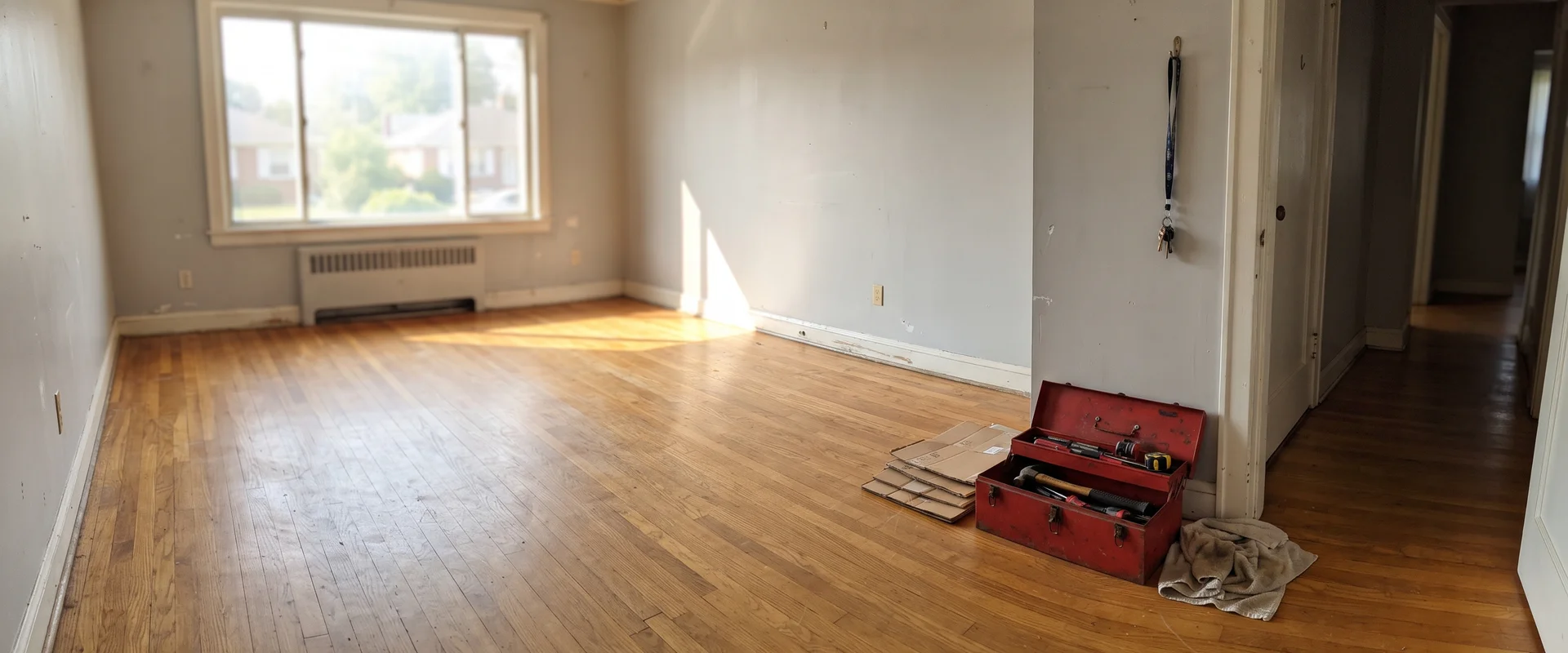
Most single-unit turnovers run three to four days start to finish including treatment and ventilation. That is the number to plan against when you are setting a lease date.
Scheduling notes specific to this fall
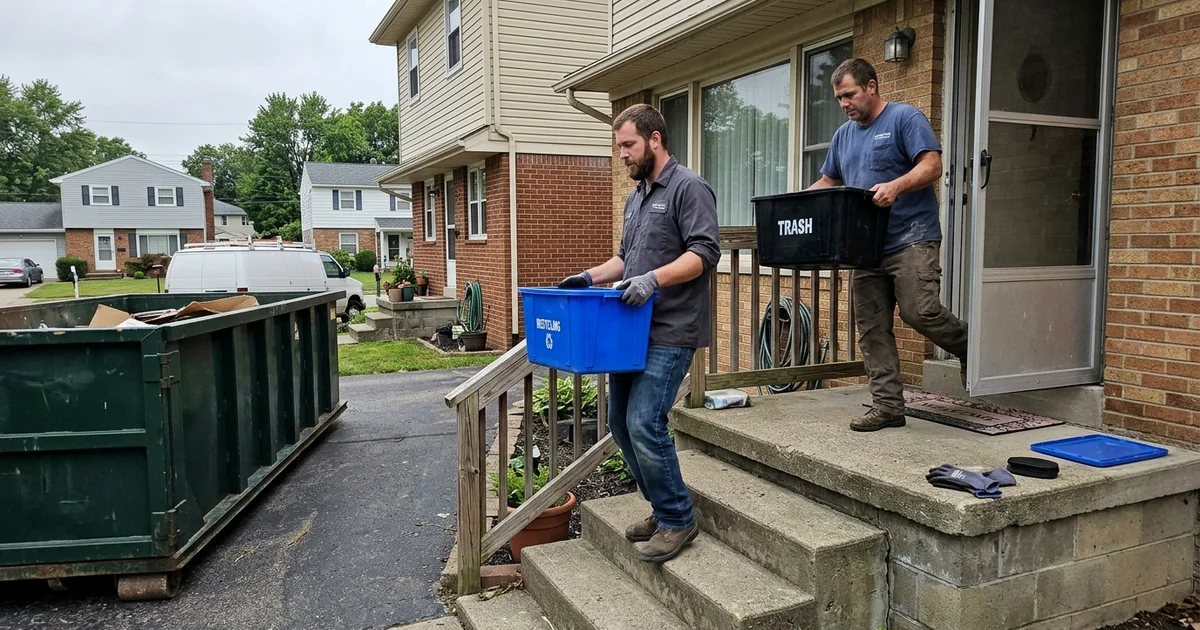
Lakewood and Cleveland doubles. Tight streets and minimal driveway width mean container placement has to be confirmed before we schedule, and in some cases a right-of-way permit is required. Give us the address early and we will sort the logistics before the crew is booked.
Euclid and Painesville multi-unit buildings. Shared subfloor and basement cavities carry odor between units. If the source unit is bad enough that you are reading this, assume the neighboring unit needs assessing too. It is cheaper to check now than to remediate two units in January.
Mentor and lakefront properties. Humidity near the lake accelerates mold development on top of whatever the original odor source was. Those jobs usually pair remediation with dehumidification, and they benefit most from being handled in autumn rather than deferred.
Parma, Brook Park, and Garfield Heights. Single-width driveways throughout. We size the container to the driveway and schedule swaps rather than blocking the street, which keeps the neighbors and the city out of your turnover.
What to send us when you call
Photos of each affected room, a photo with a corner of the carpet pulled back if you can safely do it, the lease date you are working toward, and whether the building has shared ventilation. That is enough for a written estimate, usually the same day, and the estimate is what you pay.
If your unit is genuinely just dirty rather than contaminated, we will tell you that too and point you at a standard turnover cleaner. We would rather lose a job than sell you remediation you do not need, because you are going to have another unit next season.
Have a unit that needs to be ready before the heat goes on? — See our severe odor removal service
Severe Odor Removal
Molecular odor abatement for persistent smells after death, pets, or smoke, using hydroxyl and ozone treatment with subfloor encapsulation.
Learn more