
The decision in front of you
You have a property with significant pet damage. Maybe it is an inherited house, a rental after a difficult tenancy, or a home you are leaving after years with animals.
There are two paths. Sell as-is at a discount to a buyer who will price in the worst case, or remediate and sell normally. Most people assume the first is cheaper. In our experience it usually is not, and this guide sets out the actual path and what it involves.
The remediation itself is Animal Hoarding & Feces Remediation, and the goal here is specific: not clean, but sellable.
What “market-ready” actually requires
A buyer or an inspector applies a simple test at the front door, and it is not a visual one. If the property smells, nothing else about the listing matters.
That means market-ready has three components:
No source. Saturated flooring and materials removed, substrate treated and sealed. Not covered, not masked, removed.
No odor under any conditions. Including a warm day, a closed-up week, and the furnace running. Odor that returns during an inspection period after the buyer has committed is how deals collapse late and expensively.
Documented. A before and after record you can show. This converts a difficult conversation into a straightforward one.
The path, step by step
Assessment and scope
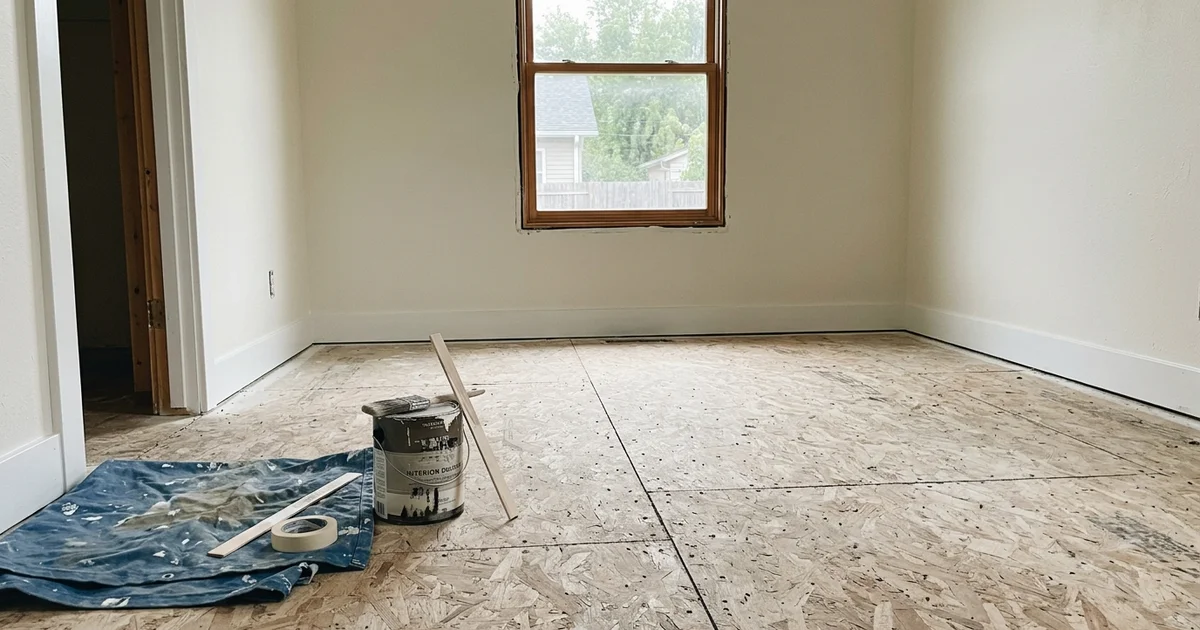
We map saturation depth room by room, distinguishing between carpet-level damage and penetration into subfloor or joists. That determines whether a room needs flooring removal and sealing, or subfloor replacement.
You get an itemized written estimate with a timeline you can plan a listing date around.
Removal
Saturated carpet, padding, and affected flooring come out. Contaminated furniture and porous belongings go with them. Feces and gross filth are extracted, and rodent droppings and nesting material are HEPA-vacuumed rather than swept.
Treatment and sealing
Exposed substrate is treated with a bio-enzymatic cleaner to break down residual uric acid crystals, then sealed with an antimicrobial primer sealant.
This is the step that determines whether the property passes an inspection in three months. Skipping it produces a home that smells fine on handover day and does not by the time a buyer’s inspector arrives. Our guide to cat urine and pet feces cleanup goes into why uric acid behaves this way and what it takes to break the crystals down for good.
Odor abatement
With the source gone and sealed, air treatment finishes the job. Hydroxyl generators or ozone chambering depending on occupancy, plus HVAC assessment where ductwork has carried odor through the property.
Documentation
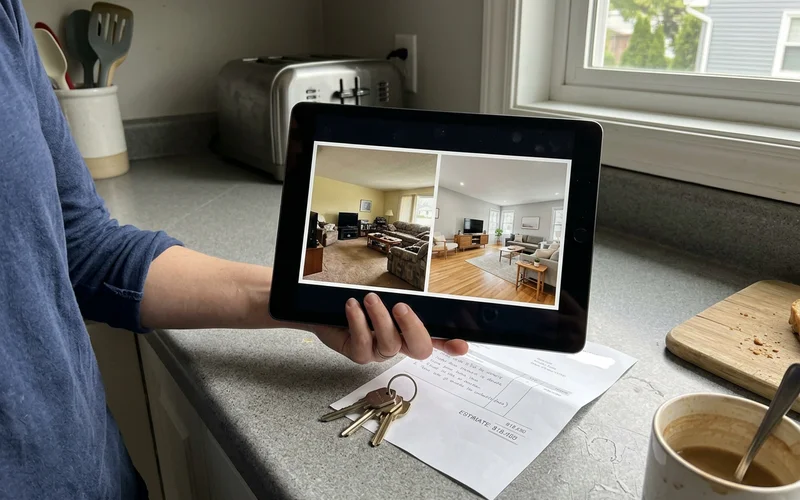
Before photographs, itemized scope, disposal records, and after photographs, delivered as a single link through the Client Portal.
The documentation is a sales asset
Agents tell us this repeatedly. A seller who can hand a buyer a documented remediation record is in a completely different negotiating position from one who says the problem was dealt with.
Realistic timeline
| Phase | Typical duration |
|---|---|
| Assessment and written estimate | Same day from photographs |
| Removal and remediation | 2 to 4 days |
| Enzymatic treatment and sealing | Included, plus cure time |
| Odor abatement | 1 to 2 days |
| Re-flooring and cosmetic work | Your contractor, typically 1 to 2 weeks |
| Listing | Commonly 2 to 3 weeks from our start date |
Most sellers we work with list within three weeks of the crew arriving.
Remediate or sell as-is: the arithmetic
Run both numbers before you decide, because the intuition here is usually wrong.
Selling as-is to a cash investor typically means a discount well beyond the cost of remediation, because the buyer is pricing an unknown. They cannot see how deep the contamination goes either, so they assume the worst case and subtract accordingly. They also know you have limited alternatives once the property is on the market with a known issue.
Remediating costs a known figure, which we will give you for free from photographs, plus re-flooring. The property then sells into the normal market at a normal price.
There are situations where as-is genuinely makes sense: significant structural problems beyond the contamination, an estate that needs to close quickly, or a seller with no capacity to manage a project. Those are real reasons. “It is probably not worth fixing” usually is not.
What we hand back
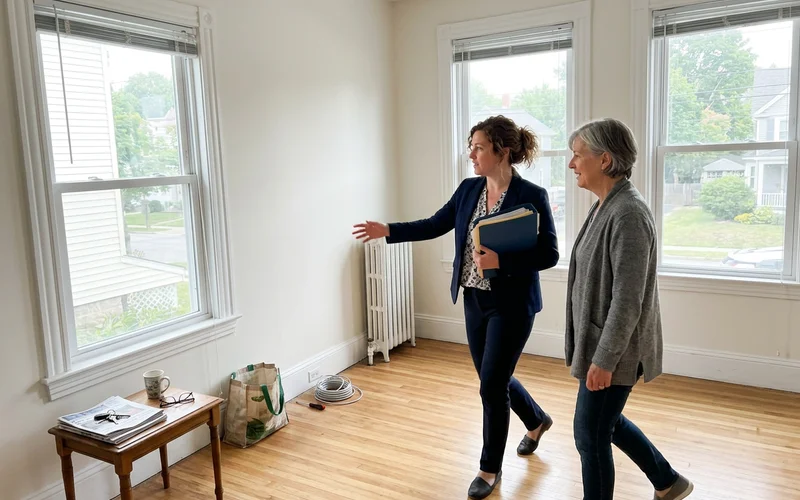
An empty property with clean, sealed substrate, sanitized hard surfaces, neutral air, and a documented record. Not a finished house, because flooring and cosmetic work belong to your contractor, but a property that a contractor can build on top of without sealing a problem inside it.
Where the odor problem extends beyond pet contamination, for example a property that also had smoke or long-term moisture issues, our Severe Odor Removal service covers whole-property abatement with HVAC assessment.